State-of-the-Art
Technology for
Superior Dental Care
At our clinic, we believe that great dental care begins with great technology. That’s why we’ve invested in some of the most advanced equipment and services in the industry — ensuring precision, comfort, and safety for every patient who walks through our doors.

Tooth Fillings / Restorations
Tooth fillings are used to restore teeth that have been damaged by decay (cavities) or minor fractures. The decayed portion of the tooth is removed and replaced with a tooth-coloured material (usually composite resin or GIC) to restore its shape, function, and strength
Why is it Done
To stop tooth decay from spreading, protect the inner layers of the tooth, and prevent pain or further damage.
Why is it Done
It’s a simple, quick procedure done under local anaesthesia. The filling blends in naturally with your tooth, and you can eat normally soon after.
Ultrasonic Scaling and Polishing
This professional dental cleaning removes plaque, tartar (calculus), and stains from your teeth using ultrasonic vibrations, followed by polishing for a smooth, clean finish.
Why is it Done
To stop tooth decay from spreading, protect the inner layers of the tooth, and prevent pain or further damage.
Why is it Done
It’s a simple, quick procedure done under local anaesthesia. The filling blends in naturally with your tooth, and you can eat normally soon after.
Tooth Capping / Crowning of Teeth
A crown, also known as a cap, is a protective covering placed over a damaged, weak, or heavily restored tooth to strengthen it and restore its shape and function.
Why is it Done
To stop tooth decay from spreading, protect the inner layers of the tooth, and prevent pain or further damage.
Why is it Done
It’s a simple, quick procedure done under local anaesthesia. The filling blends in naturally with your tooth, and you can eat normally soon after.
Tooth Capping / Crowning of Teeth
A crown, also known as a cap, is a protective covering placed over a damaged, weak, or heavily restored tooth to strengthen it and restore its shape and function.
Why is it Done
To stop tooth decay from spreading, protect the inner layers of the tooth, and prevent pain or further damage.
Why is it Done
It’s a simple, quick procedure done under local anaesthesia. The filling blends in naturally with your tooth, and you can eat normally soon after.
Tooth Capping / Crowning of Teeth
A crown, also known as a cap, is a protective covering placed over a damaged, weak, or heavily restored tooth to strengthen it and restore its shape and function.
Why is it Done
To stop tooth decay from spreading, protect the inner layers of the tooth, and prevent pain or further damage.
Why is it Done
It’s a simple, quick procedure done under local anaesthesia. The filling blends in naturally with your tooth, and you can eat normally soon after.
Tooth Capping / Crowning of Teeth
A crown, also known as a cap, is a protective covering placed over a damaged, weak, or heavily restored tooth to strengthen it and restore its shape and function.
Why is it Done
To stop tooth decay from spreading, protect the inner layers of the tooth, and prevent pain or further damage.
Why is it Done
It’s a simple, quick procedure done under local anaesthesia. The filling blends in naturally with your tooth, and you can eat normally soon after.
Tooth Capping / Crowning of Teeth
A crown, also known as a cap, is a protective covering placed over a damaged, weak, or heavily restored tooth to strengthen it and restore its shape and function.
Why is it Done
To stop tooth decay from spreading, protect the inner layers of the tooth, and prevent pain or further damage.
Why is it Done
It’s a simple, quick procedure done under local anaesthesia. The filling blends in naturally with your tooth, and you can eat normally soon after.
Tooth Capping / Crowning of Teeth
A crown, also known as a cap, is a protective covering placed over a damaged, weak, or heavily restored tooth to strengthen it and restore its shape and function.
Why is it Done
To stop tooth decay from spreading, protect the inner layers of the tooth, and prevent pain or further damage.
Why is it Done
It’s a simple, quick procedure done under local anaesthesia. The filling blends in naturally with your tooth, and you can eat normally soon after.
Tooth Capping / Crowning of Teeth
A crown, also known as a cap, is a protective covering placed over a damaged, weak, or heavily restored tooth to strengthen it and restore its shape and function.
Why is it Done
To stop tooth decay from spreading, protect the inner layers of the tooth, and prevent pain or further damage.
Why is it Done
It’s a simple, quick procedure done under local anaesthesia. The filling blends in naturally with your tooth, and you can eat normally soon after.
Tooth Capping / Crowning of Teeth
A crown, also known as a cap, is a protective covering placed over a damaged, weak, or heavily restored tooth to strengthen it and restore its shape and function.
Why is it Done
To stop tooth decay from spreading, protect the inner layers of the tooth, and prevent pain or further damage.
Why is it Done
It’s a simple, quick procedure done under local anaesthesia. The filling blends in naturally with your tooth, and you can eat normally soon after.
Tooth Capping / Crowning of Teeth
A crown, also known as a cap, is a protective covering placed over a damaged, weak, or heavily restored tooth to strengthen it and restore its shape and function.
Why is it Done
To stop tooth decay from spreading, protect the inner layers of the tooth, and prevent pain or further damage.
Why is it Done
It’s a simple, quick procedure done under local anaesthesia. The filling blends in naturally with your tooth, and you can eat normally soon after.
Tooth Capping / Crowning of Teeth
A crown, also known as a cap, is a protective covering placed over a damaged, weak, or heavily restored tooth to strengthen it and restore its shape and function.
Why is it Done
To stop tooth decay from spreading, protect the inner layers of the tooth, and prevent pain or further damage.
Why is it Done
It’s a simple, quick procedure done under local anaesthesia. The filling blends in naturally with your tooth, and you can eat normally soon after.
Tooth Capping / Crowning of Teeth
A crown, also known as a cap, is a protective covering placed over a damaged, weak, or heavily restored tooth to strengthen it and restore its shape and function.
Why is it Done
To stop tooth decay from spreading, protect the inner layers of the tooth, and prevent pain or further damage.
Why is it Done
It’s a simple, quick procedure done under local anaesthesia. The filling blends in naturally with your tooth, and you can eat normally soon after.
Tooth Capping / Crowning of Teeth
A crown, also known as a cap, is a protective covering placed over a damaged, weak, or heavily restored tooth to strengthen it and restore its shape and function.
Why is it Done
To stop tooth decay from spreading, protect the inner layers of the tooth, and prevent pain or further damage.
Why is it Done
It’s a simple, quick procedure done under local anaesthesia. The filling blends in naturally with your tooth, and you can eat normally soon after.
Tooth Capping / Crowning of Teeth
A crown, also known as a cap, is a protective covering placed over a damaged, weak, or heavily restored tooth to strengthen it and restore its shape and function.
Why is it Done
To stop tooth decay from spreading, protect the inner layers of the tooth, and prevent pain or further damage.
Why is it Done
It’s a simple, quick procedure done under local anaesthesia. The filling blends in naturally with your tooth, and you can eat normally soon after.
Global Standards in
Dental Technology
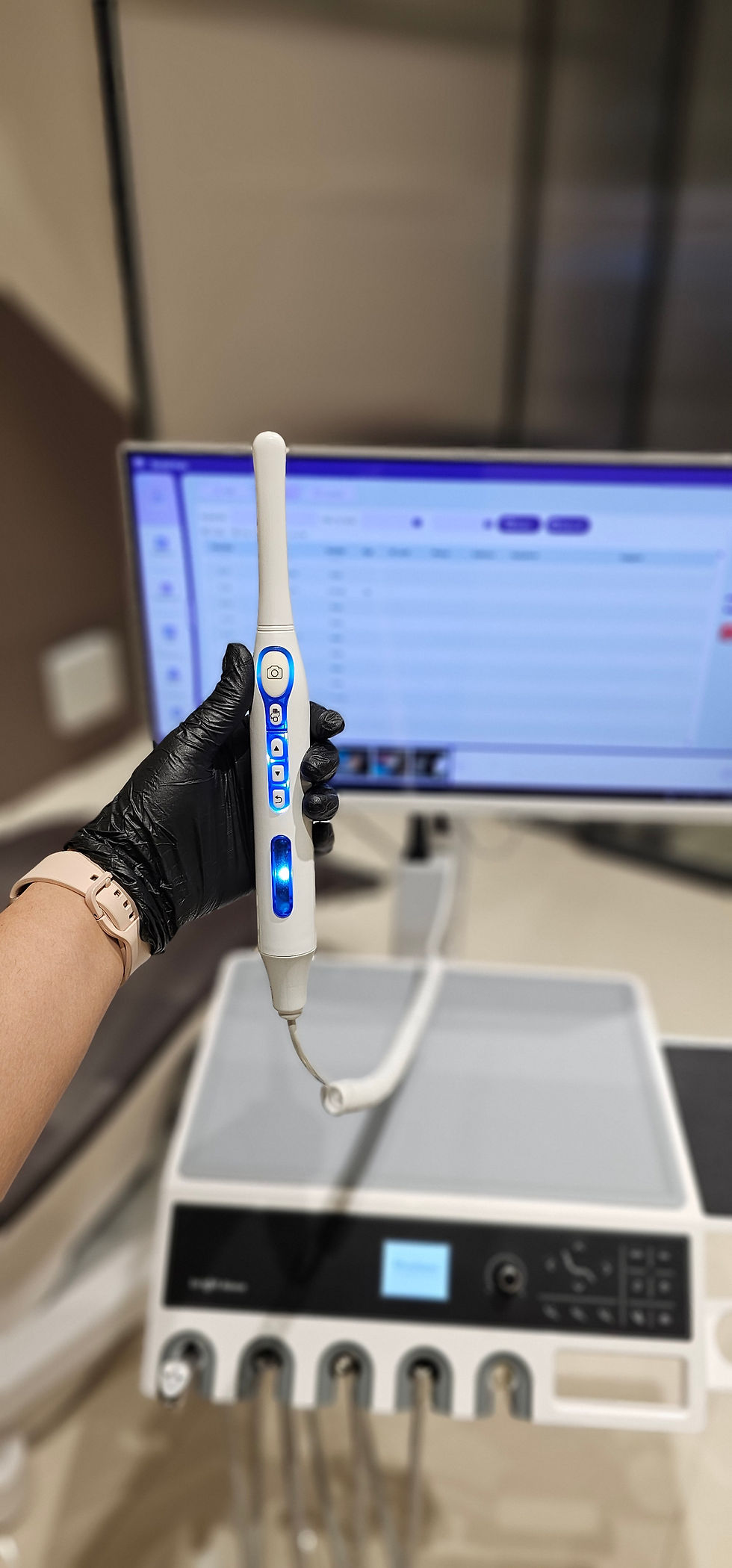
Intraoral Camera with Touchscreen – See What We See
We use a high-resolution intraoral camera with a touchscreen interface to give you a clear, real-time view of your oral health. This allows for better diagnosis, clearer communication, and helps you understand your treatment options with confidence.
European Standard Class B Autoclave -
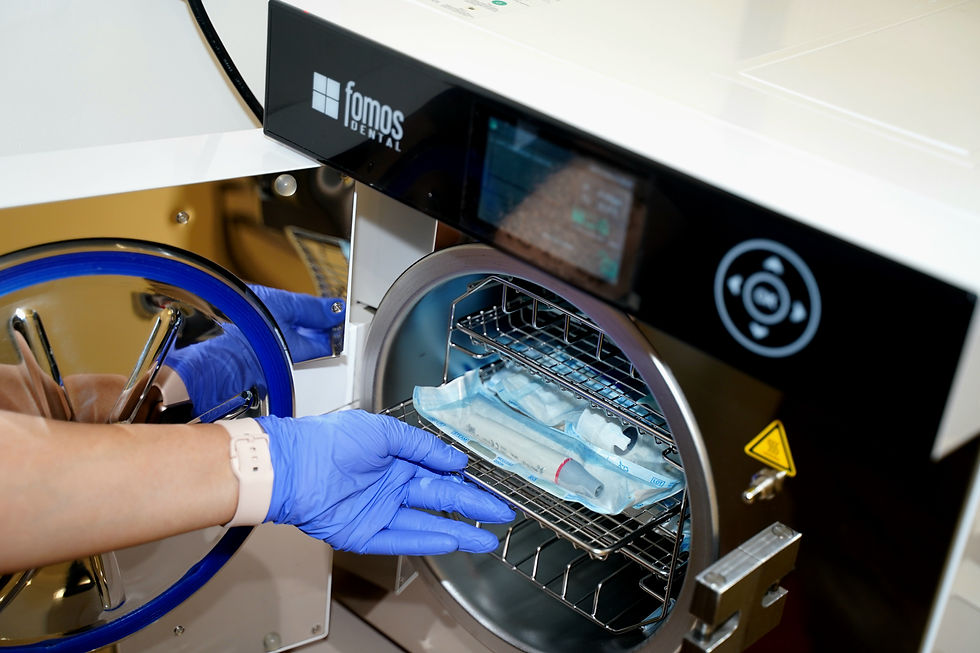
Sterilization You Can Trust
Your safety is our top priority. Our Fomos autoclave uses high-pressure steam to thoroughly sterilize instruments, eliminating bacteria, viruses, and spores with medical-grade efficiency. This ensures a completely hygienic environment for every procedure. All instruments are packaged and sealed and sterilized before they reach the doctor’s chair.
Water Distillers –
Purity in Every Drop
We use water distillers to provide ultra-purified water for all our dental treatments. This reduces the risk of contamination and ensures that every rinse, spray, and flush is clean and safe — essential for both patient safety and equipment longevity.


Dürr Suction & Compressor System – Quiet Power, Maximum Hygiene
Our German suction and compressor systems from Dürr Dental are designed for high-performance operation with minimal noise. They provide reliable suction during procedures and deliver clean, oil-free air ensuring a smooth, hygienic, and comfortable experience for both patients and practitioners.
Digital X-Ray (RVG) –
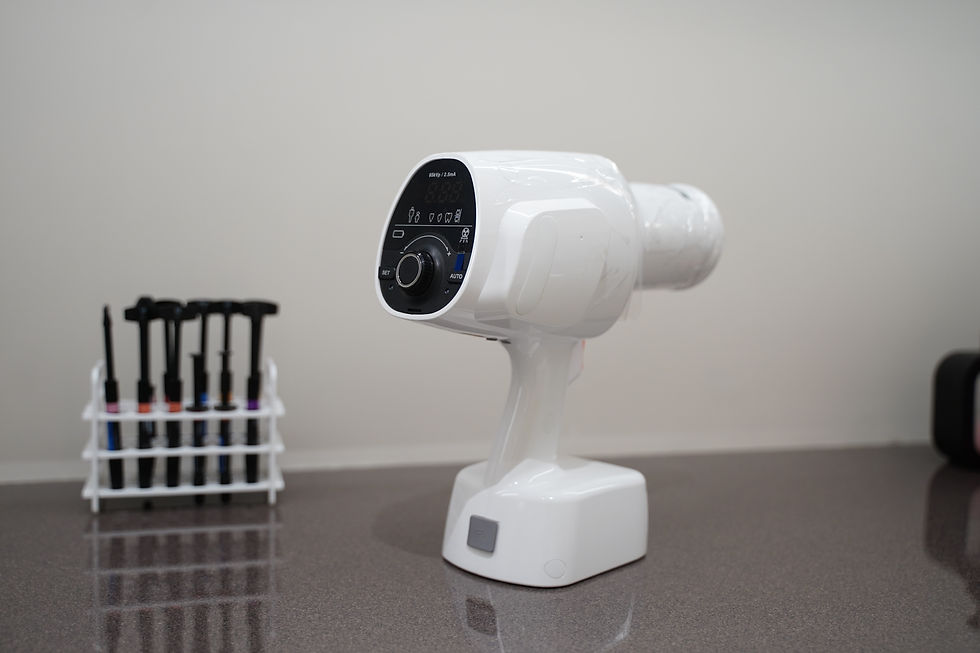
Accurate, Fast & Low-Radiation
Our RVG (RadioVisioGraphy) system provides sharp digital X-rays in seconds, using significantly less radiation than traditional methods. This allows us to diagnose issues with precision, while keeping your exposure to a minimum.
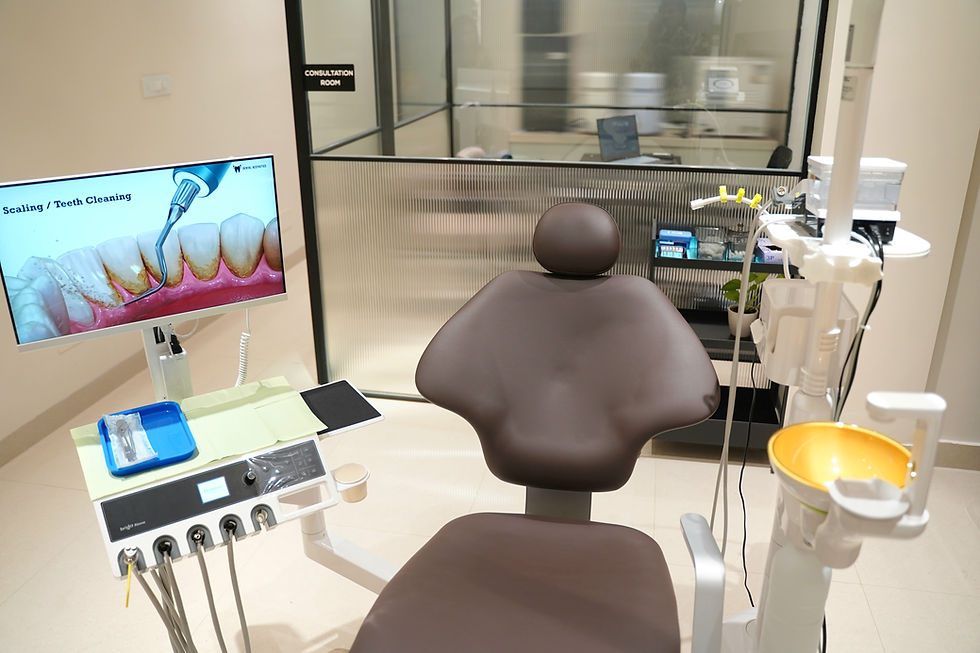
Ergonomic Dental Chair – Comfort Meets Function
We’ve chosen ergonomically designed dental chair for its exceptional patient comfort and support. Whether you're in for a quick check-up or a longer procedure, your experience will be as relaxed and comfortable as possible.

Intraoral Scanning –
No More Messy Impressions
Say goodbye to uncomfortable molds! Our advanced intraoral scanner captures precise 3D images of your teeth and gums, streamlining procedures like crowns, bridges, aligners, and a much more pleasant experience.
Endomotor –
Precision in Root Canal Treatment
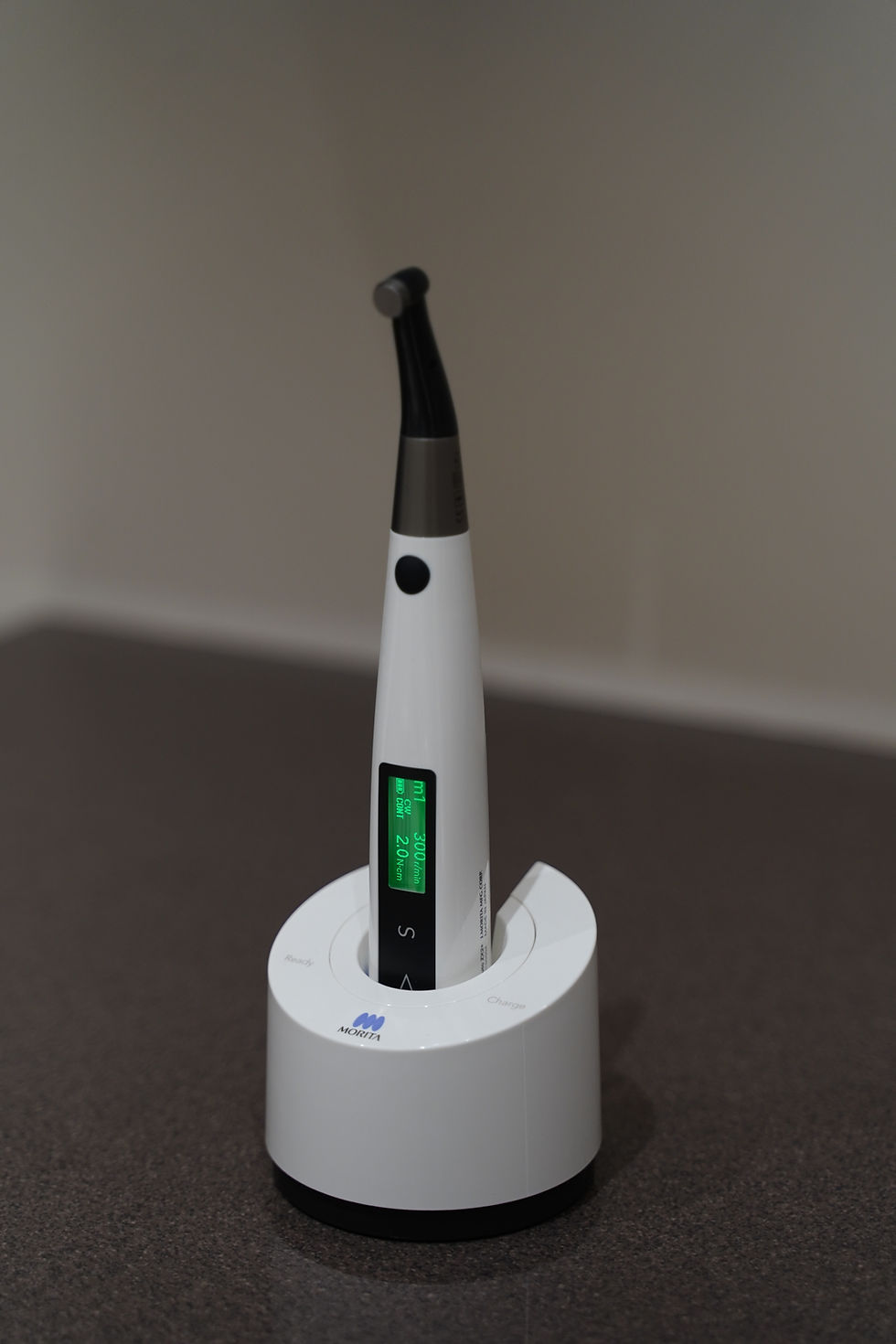
For root canal treatments, we rely on the Morita endomotor, a high-performance device known for its precision and safety. It allows for controlled, efficient cleaning and shaping of the root canals, reducing treatment time and improving overall success rates. This technology enhances both patient comfort and long-term outcomes.
Rubber Dam Isolation –
Safety and Cleanliness First
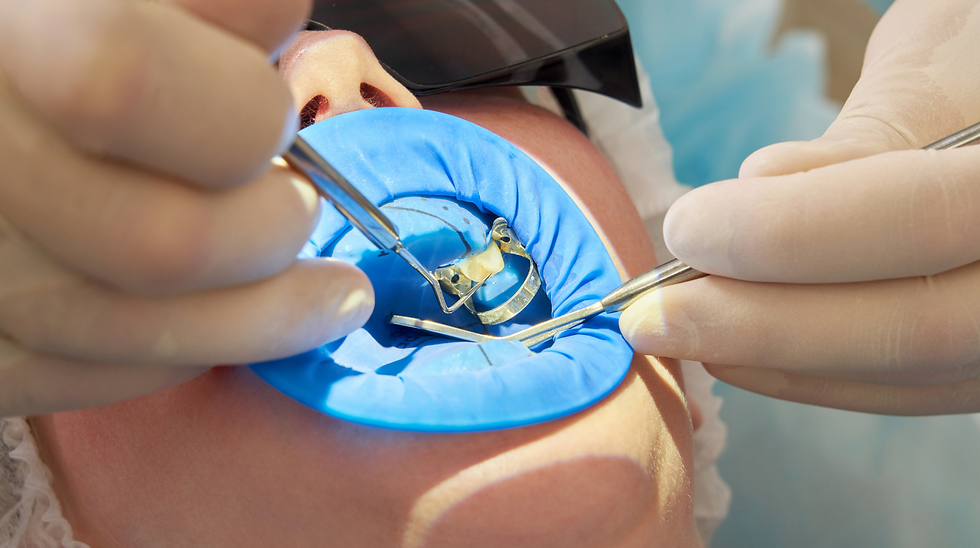
We use a rubber dam during procedures such as root canal treatments to isolate the tooth and create a clean, dry working area. This improves visibility, reduces contamination risk, and enhances your safety by preventing any instruments or materials from entering the mouth unintentionally. It's a small step that makes a big difference in quality and infection control.


Follow us on social media
© 2025 Noble dentistry Pvt Ltd
About us
Services
Clinic
Contact